History of the Ciboney and Arawak Tribes
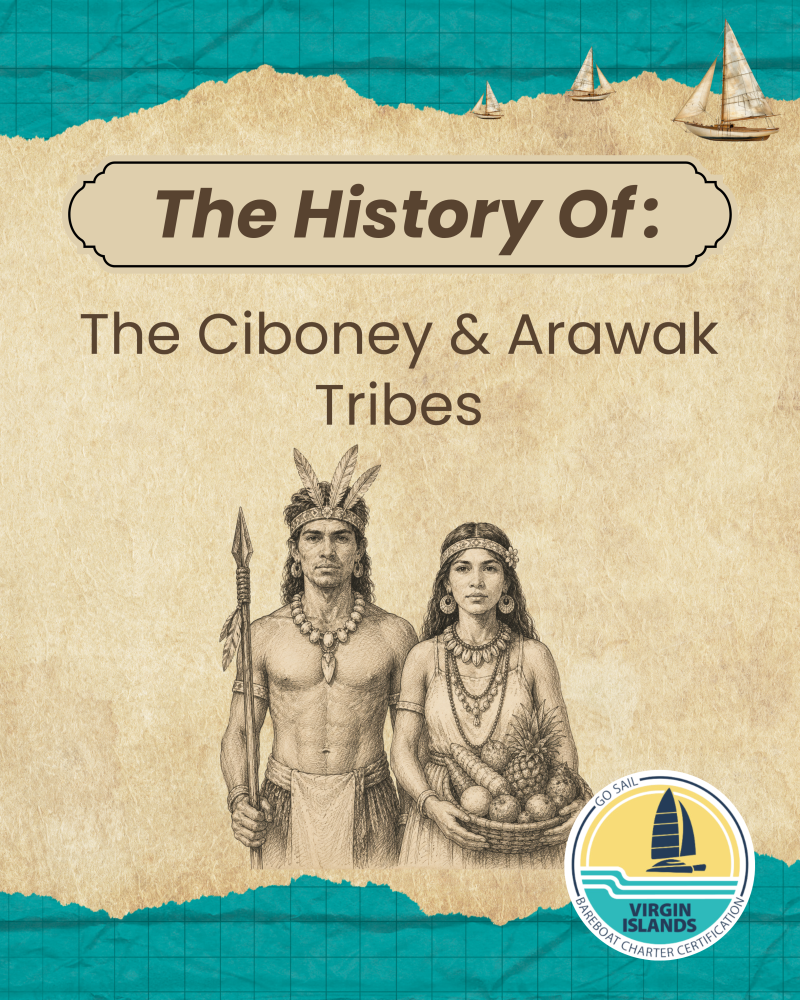 Before the Virgin Islands became the vacation paradise they are today, and even before Columbus’s western voyages, they were populated by a thriving network of indigenous people. By exploring the history of the Ciboney and Arawak tribes, we gain insight into what life in the Caribbean was like before European contact.
The Ciboney Tribe
The Ciboney (also spelled Siboney) were an indigenous group of the Caribbean before European colonization and are considered a western branch of the Taíno. The name “Ciboney” probably comes from an Arawakan word meaning “cave dweller,” as they often occupied caves. They lived in small hunter-gatherer settlements without social stratification and specialized in crafting tools from rock and shell as well as navigating the sea in dugout canoes.
Scholars continue to debate the history of the Ciboney tribe because records of their culture, language, and migration are sparse.
The Arawak Tribe
On the other hand, the history of the Arawak Tribe is much better documented. This large group, consisting of numerous tribes, spanned the northern parts of South America and the Caribbean. The tribes all spoke related Arawakan languages. The island-dwelling branches of the Arawak are referred to as the Taíno.
Unlike the egalitarian Ciboney, Arawak societies were hierarchical, led by chiefs. They lived in larger, more complex villages and developed advanced technology like agriculture and mound building. Labor within their society was specialized, with different members adept at ceramics, wood carving, healing, and various other skills.
Evidence of the Tribes in the Virgin Islands Today
Archaeological evidence of the tribes can be found across the Virgin Islands. For example, on St. John at the Reef Bay Sugar Mill ruins, visitors can view the Taíno petroglyphs. This amazing site was likely used for ceremonies between AD 600 and AD 1500 and features carvings of symbols and spirit faces etched into the rock.
Salt River Bay in St. Croix is the most significant indigenous archaeological site in the Virgin Islands. Excavations revealed around 2,000 years of human occupation. Archaeologists have discovered the remains of a village, ceremonial spaces, and numerous artifacts. The site also holds historical importance as the location of Columbus’ second voyage landing, where the first documented conflict between his crew and the native Taíno occurred.
While the social structures of the indigenous peoples of the Virgin Islands collapsed as a result of European colonization and the new diseases that devastated the population, modern DNA studies show substantial Indigenous ancestry persists in modern Caribbean people.
Discover the History of the Ciboney and Arawak Tribes
Are you ready to take a journey through the history of the Ciboney and Arawak tribes yourself? During a Virgin Islands liveaboard sailing vacation, you’ll explore unforgettable beaches, savor the unique flavors of the Caribbean, and visit amazing ruins that bring history to life! There’s no better place to learn to sail than through the islands of the Caribbean, as indigenous people did centuries ago, with a customizable weeklong sailing course!